


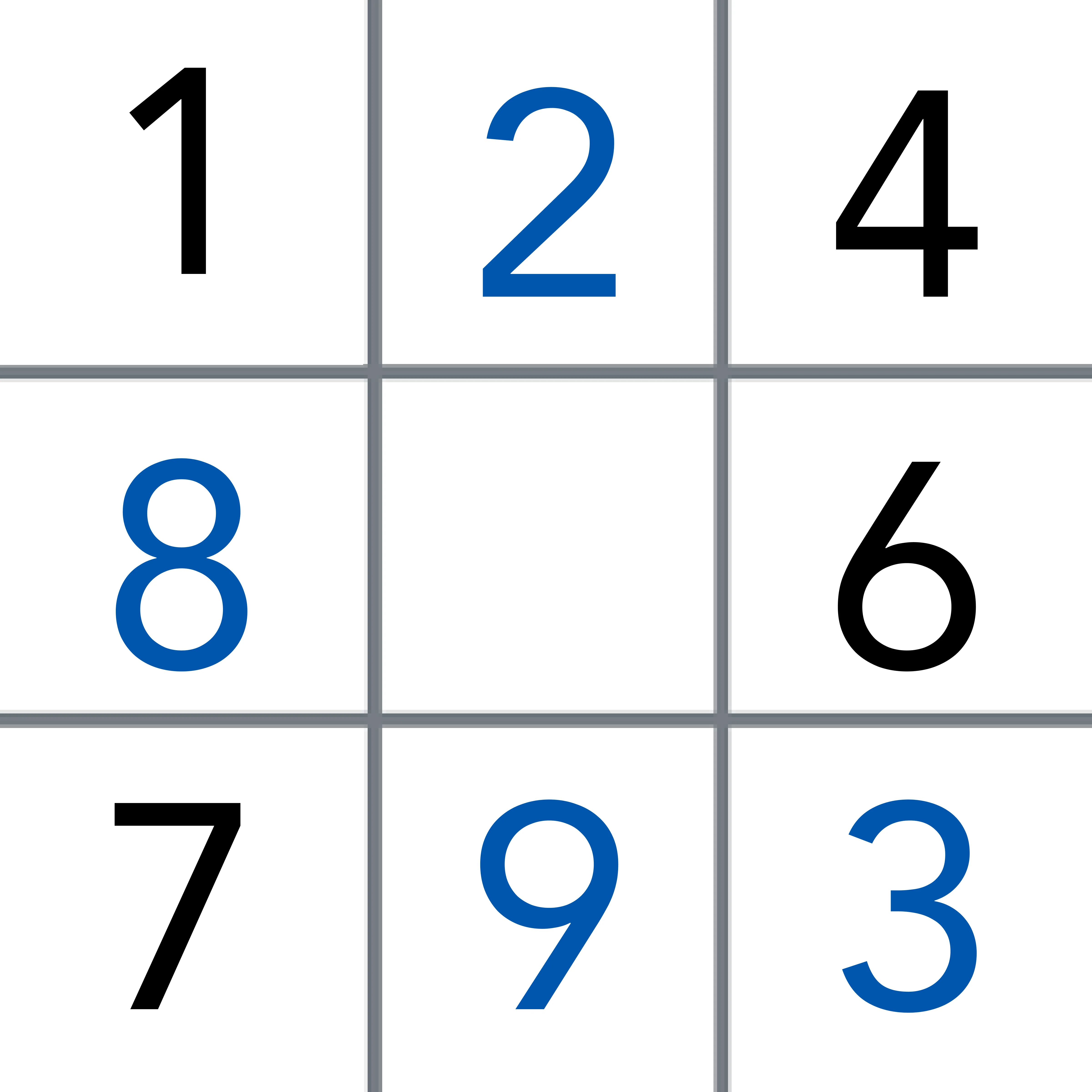
### Sudoku: More Than One Solution?
#### Sudoku: The Puzzling Paradox
Sudoku, a popular puzzle game that has captivated millions around the world, is known for its simple rules and challenging gameplay. However, there is a fascinating aspect of Sudoku that often goes unnoticed: the possibility of having more than one solution. This article delves into the intricacies of Sudoku solutions and explores why and how multiple answers can exist.
#### The Sudoku Grid
At its core, Sudoku is played on a 9×9 grid, divided into nine 3×3 subgrids called “boxes” or “regions.” The objective is to fill the grid with numbers from 1 to 9 such that each row, each column, and each box contains all of the digits exactly once.
#### The Paradox of Multiple Solutions
While a well-constructed Sudoku puzzle should have a unique solution, there are instances where a puzzle can have more than one correct answer. This paradox can arise due to several factors:
1. **Overlapping Clues**: Sometimes, a puzzle may contain overlapping clues that lead to multiple valid solutions.
2. **Incorrect Puzzles**: If the puzzle is not properly constructed, it may have more than one solution.
3. **Complex Patterns**: Certain complex patterns within the puzzle can allow for multiple valid configurations.
#### Identifying Multiple Solutions
To identify whether a Sudoku puzzle has more than one solution, one can use various techniques:
1. **Backtracking**: This method involves filling in numbers and then backtracking if a contradiction arises, which can help reveal multiple solutions.
2. **Constraint Propagation**: By enforcing constraints on the grid, one can sometimes find patterns that lead to multiple solutions.
3. **Graphical Analysis**: Visualizing the puzzle as a graph can sometimes make it easier to spot multiple solutions.
#### Why Does It Matter?
Understanding that Sudoku puzzles can have more than one solution is important for several reasons:
1. **Educational Value**: It adds depth to the puzzle and challenges players to think critically.
2. **Entertainment**: It adds an element of surprise and intrigue to the game.
3. **Puzzle Design**: Knowing how to avoid multiple solutions is crucial for puzzle designers.
#### FAQs
**Q: Can all Sudoku puzzles have more than one solution?**
A: No, most Sudoku puzzles are designed to have a unique solution. However, some puzzles can be intentionally constructed to have multiple solutions.
**Q: How can I tell if a Sudoku puzzle has multiple solutions?**
A: You can use backtracking, constraint propagation, or graphical analysis to determine if a puzzle has more than one solution.
**Q: Can I create a Sudoku puzzle with multiple solutions?**
A: Yes, you can create a puzzle with multiple solutions by introducing overlapping clues or other patterns that allow for multiple valid configurations.
**Q: Is it cheating to solve a Sudoku puzzle with multiple solutions?**
A: It depends on the context. If you are solving a puzzle for fun and it has multiple solutions, then it’s not cheating. However, if you are solving a puzzle for a competition or a contest, then it is considered cheating to provide or use multiple solutions.
#### Conclusion
Sudoku’s ability to have more than one solution adds an intriguing layer to the game, challenging players to think creatively and critically. Whether you are a seasoned Sudoku solver or a beginner, understanding the complexities of this fascinating puzzle can enhance your enjoyment and appreciation of the game.