


### Articles
#### Sudoku: The Brain Game That Challenges Your Mind
Sudoku is a popular brain game that has gained a massive following worldwide. Known for its ability to enhance cognitive skills and provide mental stimulation, Sudoku is a perfect activity for individuals of all ages. This article explores the rules, benefits, and FAQs about Sudoku to help you get started.
**Rules of Sudoku:**
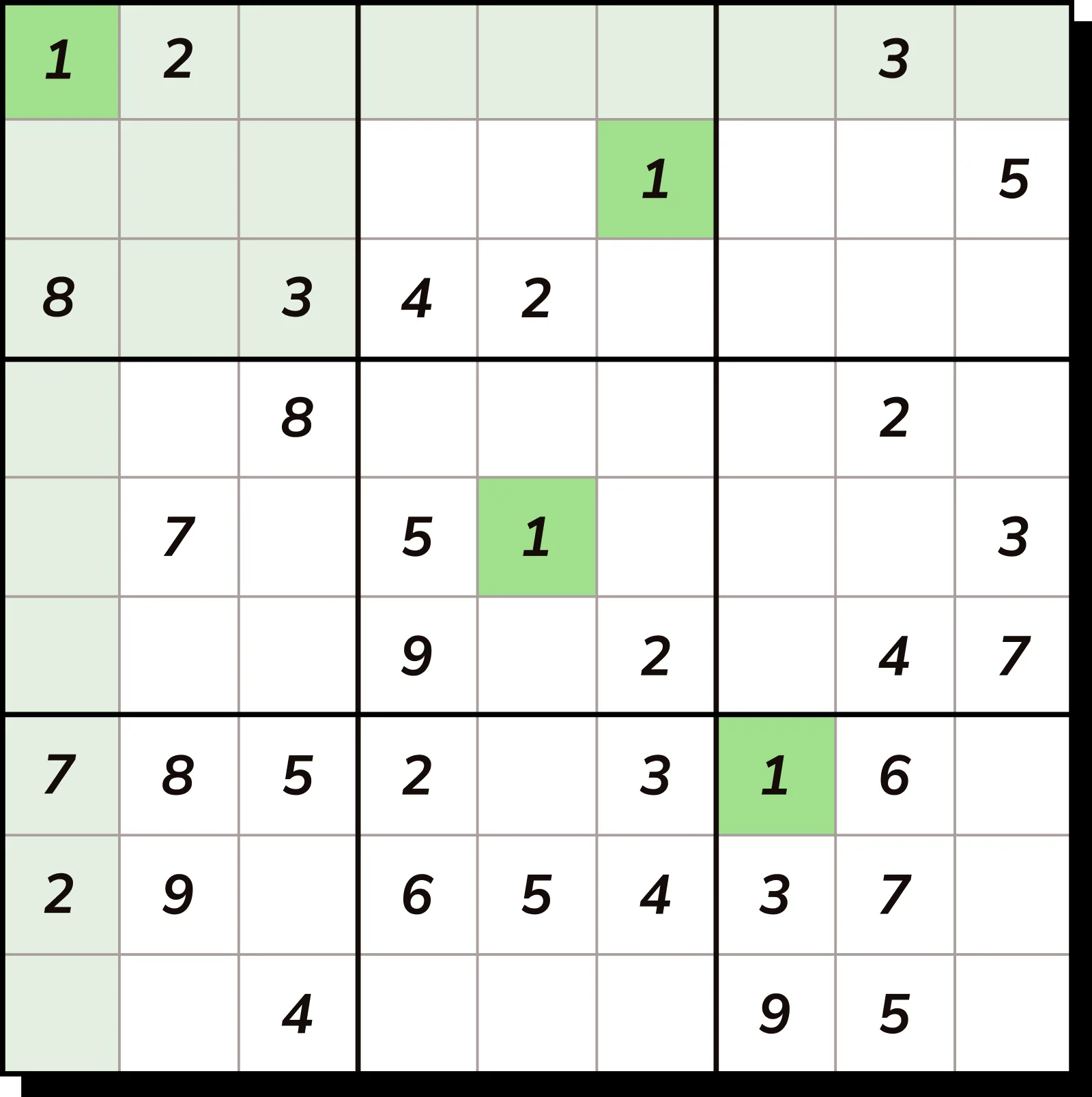
1. Sudoku is played on a 9×9 grid, which is divided into nine 3×3 subgrids, also known as regions or boxes.
2. The objective is to fill the grid with numbers from 1 to 9 such that each row, each column, and each of the nine 3×3 subgrids contain all of the digits from 1 to 9 without repetition.
3. The grid starts with some numbers already filled in, known as clues or givens.
**Benefits of Playing Sudoku:**
1. Improves cognitive function: Regularly solving Sudoku can enhance memory, concentration, and problem-solving skills.
2. Reduces stress: Engaging in a challenging but manageable puzzle can help lower stress levels.
3. Promotes relaxation: Sudoku requires focus, but it also allows players to unwind and enjoy a peaceful activity.
4. Enhances cognitive flexibility: As you progress through different levels of Sudoku puzzles, your brain becomes better at adapting to new challenges.
**Frequently Asked Questions (FAQs) about Sudoku:**
**Q1: How do I start playing Sudoku?**
A1: Begin by familiarizing yourself with the 9×9 grid and the rules. Look for numbers that are already filled in and use logical deduction to determine the missing numbers.
**Q2: Is there a specific order to solve Sudoku puzzles?**
A2: No, there is no one-size-fits-all approach. However, many players find it helpful to start with the row or column that has the most clues or the fewest missing numbers.
**Q3: Can I use a calculator or a computer program to solve Sudoku?**
A3: While you can use these tools to solve puzzles, the true benefit of Sudoku comes from the mental challenge and the improvement of cognitive skills. It’s recommended to solve puzzles manually to reap the full benefits.
**Q4: Are there different levels of Sudoku puzzles?**
A4: Yes, Sudoku puzzles come in various difficulty levels, ranging from easy to very hard. Difficulty often depends on the number of clues provided in the starting grid and the complexity of the strategies required to solve the puzzle.
**Q5: Is Sudoku suitable for children?**
A5: Absolutely. Sudoku can be an excellent tool for educational purposes, helping children develop critical thinking, patience, and perseverance.
**Q6: Can playing Sudoku help prevent cognitive decline?**
A6: Research suggests that regular engagement in brain-stimulating activities like Sudoku may help delay the onset of cognitive decline and dementia in older adults.
#### Sudoku: Enhancing Your Cognitive Fitness
Sudoku is not just a brain game; it’s a tool for cognitive fitness. By engaging in this challenging yet enjoyable activity, you can sharpen your mind and enhance your overall well-being. Whether you’re a seasoned puzzle solver or a beginner, Sudoku offers an enjoyable way to stimulate your brain and enjoy the benefits of mental exercise.