


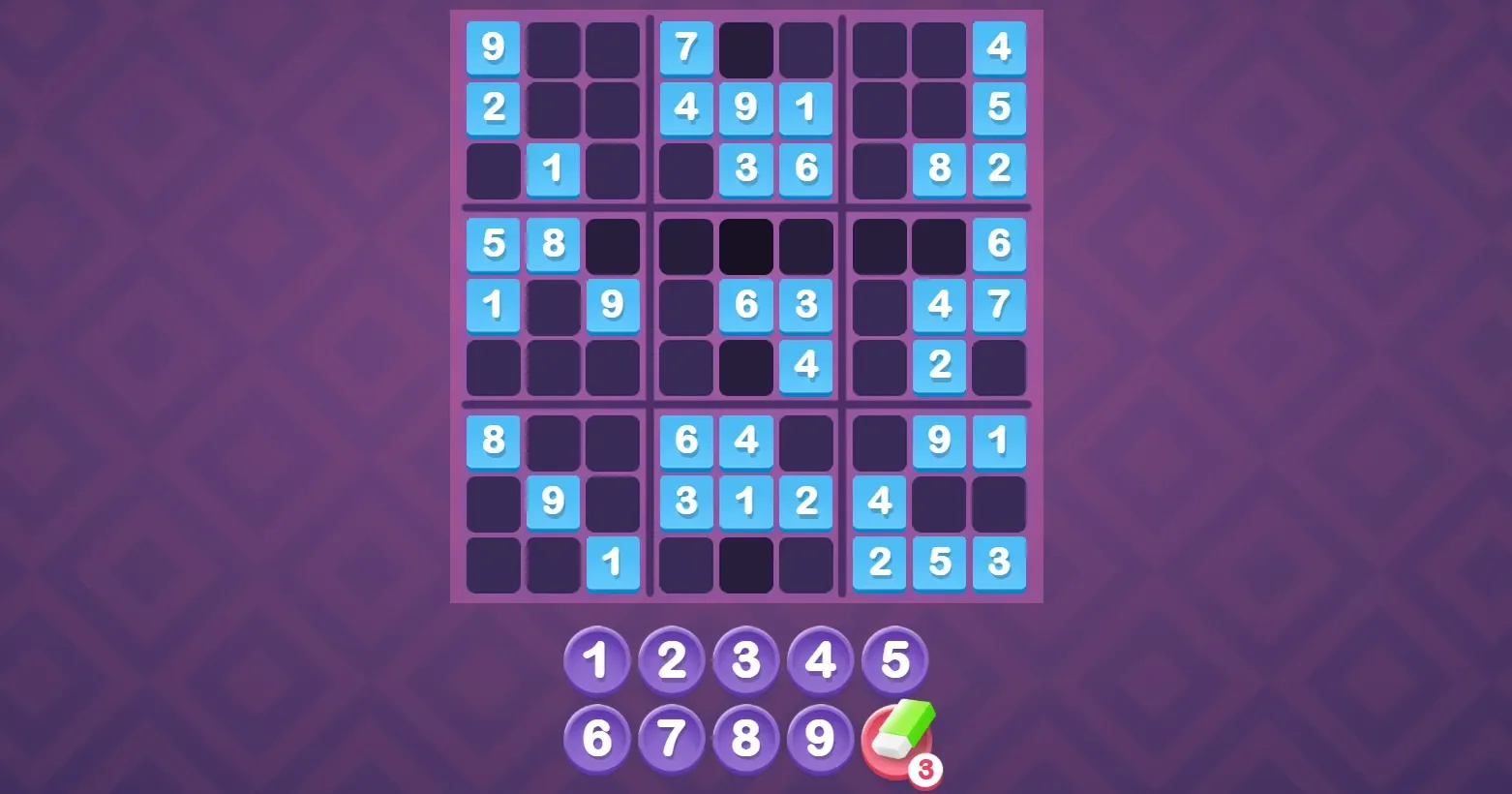
### Sudoku: The knights rule in this strategic game
#### Introduction
Sudoku, a popular puzzle game, has captured the attention of millions around the world. With its simple yet challenging rules, Sudoku offers a fun way to exercise the mind. One variant of Sudoku that stands out is the “knights rule Sudoku.” In this article, we will explore the unique characteristics of knights rule Sudoku and how it differs from traditional Sudoku.
#### The Basics of Sudoku
Before diving into knights rule Sudoku, it’s essential to understand the basics of Sudoku. Sudoku is a logic-based, combinatorial number-placement puzzle. The objective is to fill a 9×9 grid with digits so that each column, each row, and each of the nine 3×3 subgrids that compose the grid contain all of the digits from 1 to 9.
#### What is Knights Rule Sudoku?
Knights rule Sudoku is a variant of the traditional Sudoku game with additional rules. In this variant, instead of placing digits 1 to 9 in the grid, you must place knights. A knight is a chess piece that moves in an “L” shape: two squares in one direction and then one square perpendicular to that, or one square in one direction and then two squares perpendicular to that.
#### Key Differences from Traditional Sudoku
1. **Placement of Pieces**: In knights rule Sudoku, you must place knights instead of digits. This adds a strategic element to the game, as you need to consider the knight’s movement when placing them in the grid.
2. **Movement Constraints**: Since knights can only move in specific patterns, this limits the placement options. Players must plan their moves carefully to avoid conflicts.
3. **Complexity**: Knights rule Sudoku is generally more challenging than traditional Sudoku. The added complexity of considering the knight’s movement patterns makes the game more engaging and thought-provoking.
#### Strategies for Solving Knights Rule Sudoku
1. **Start with the Easy Moves**: Begin by placing knights in positions where the movement patterns do not conflict with other knights.
2. **Eliminate Possibilities**: As you progress, eliminate positions where knights cannot be placed due to movement constraints.
3. **Look for Patterns**: Knights rule Sudoku often features unique patterns that can help you solve the puzzle. Keep an eye out for these patterns and use them to your advantage.
#### Frequently Asked Questions (FAQ)
**Q: What is the objective of knights rule Sudoku?**
A: The objective of knights rule Sudoku is to place knights in the 9×9 grid so that each column, each row, and each of the nine 3×3 subgrids contain all knights, considering the knight’s movement pattern.
**Q: How does knights rule Sudoku differ from traditional Sudoku?**
A: Knights rule Sudoku differs from traditional Sudoku by using knights instead of digits and considering the knight’s movement pattern when placing them in the grid.
**Q: Is knights rule Sudoku easier or harder than traditional Sudoku?**
A: Knights rule Sudoku is generally more challenging than traditional Sudoku due to the added complexity of considering the knight’s movement pattern.
**Q: Can I use the same strategies for solving traditional Sudoku when playing knights rule Sudoku?**
A: While some strategies may be applicable, knights rule Sudoku requires a different approach due to the unique placement of knights and their movement patterns.
**Q: Are there any online resources or books that can help me improve my knights rule Sudoku skills?**
A: Yes, there are many online resources, books, and tutorials available that can help you improve your knights rule Sudoku skills. Search for “knights rule Sudoku tutorials” or “knights rule Sudoku strategy guides” to find valuable resources.
By understanding the rules and strategies of knights rule Sudoku, you can enjoy this challenging and engaging puzzle game. Happy solving!