


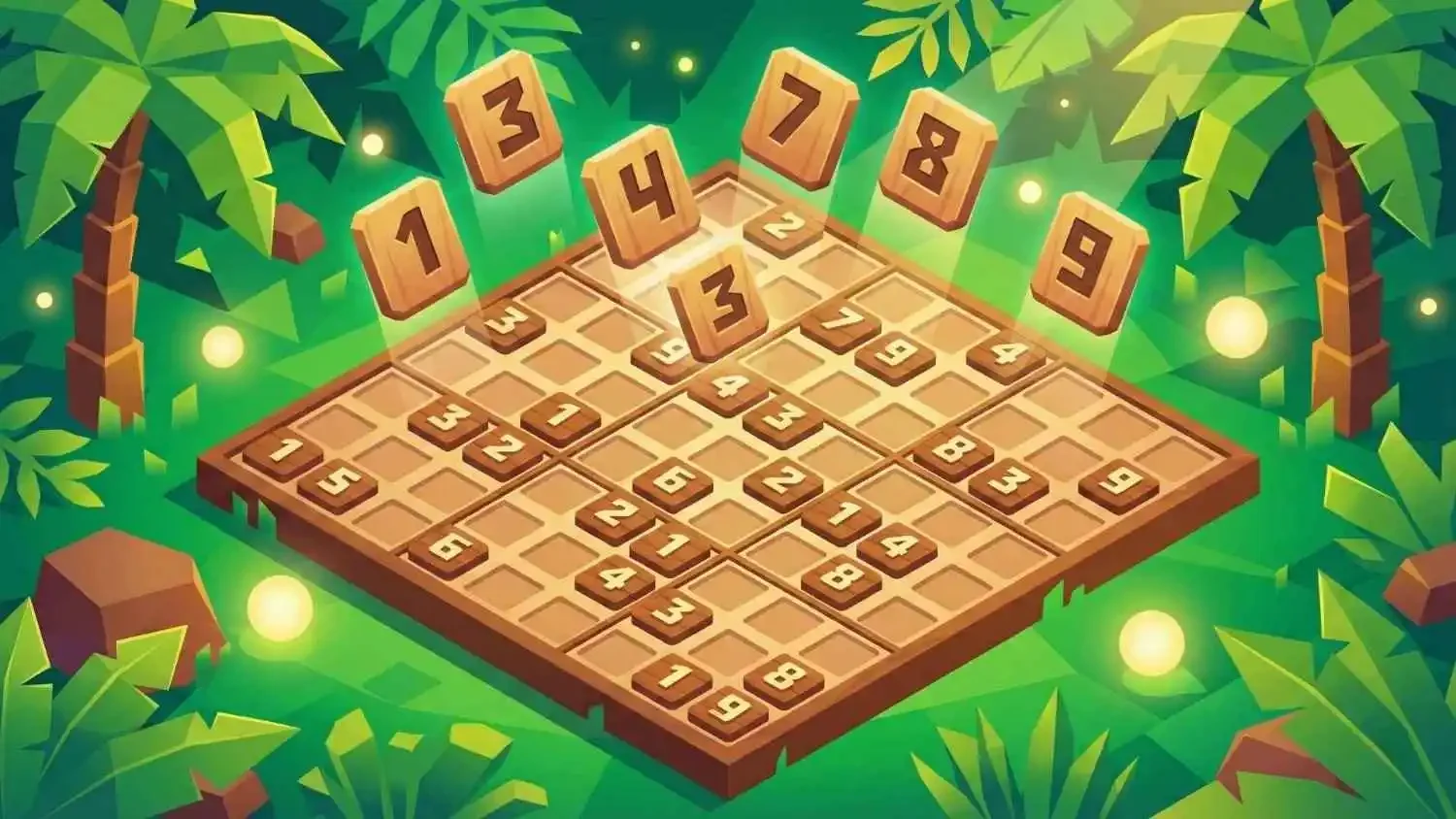
### Sudoku: A Maternal Shape Puzzle
#### Introduction
Sudoku, a popular puzzle game, has captivated puzzle enthusiasts around the world. With its unique grid-based format and logical reasoning challenges, Sudoku has become a beloved pastime. One variant of Sudoku that stands out is “Maternal Shape Sudoku.” This article explores the intricacies of Maternal Shape Sudoku, its origins, and how it differs from traditional Sudoku.
#### The Grid
Maternal Shape Sudoku is played on a grid similar to traditional Sudoku, but with a twist. Instead of the standard 9×9 grid, Maternal Shape Sudoku uses a grid that reflects a maternal shape. This shape is usually a heart or a star, creating a visually appealing and unique playing field. The grid is divided into nine 3×3 sub-grids, often referred to as “boxes.”
#### Rules
The rules of Maternal Shape Sudoku are largely the same as traditional Sudoku. The objective is to fill the grid with numbers from 1 to 9, ensuring that each row, column, and 3×3 sub-grid contains all the digits without repetition. However, the unique shape of the grid introduces a new challenge: the maternal shape itself must also contain the numbers 1 to 9 without repetition.
#### Difficulty Levels
Maternal Shape Sudoku comes in various difficulty levels, from easy to expert. The difficulty increases as the grid becomes more complex and the maternal shape becomes more intricate. Players often find that the unique shape adds an additional layer of challenge, requiring more strategic planning and problem-solving skills.
#### Origins
The origins of Maternal Shape Sudoku are not well-documented, but it is believed to have originated in Japan, much like traditional Sudoku. The concept of incorporating a maternal shape into the puzzle adds a personal touch and appeal, making it a favorite among Sudoku enthusiasts.
#### How Does It Differ From Traditional Sudoku?
The primary difference between Maternal Shape Sudoku and traditional Sudoku is the grid’s shape. While traditional Sudoku uses a standard 9×9 grid, Maternal Shape Sudoku employs a grid that reflects a maternal shape. This unique design not only adds visual interest but also introduces new challenges for players to overcome.
#### FAQs
**Q1: Can I use traditional Sudoku strategies to solve Maternal Shape Sudoku?**
A1: Yes, many of the strategies used in traditional Sudoku, such as “box-line reduction” and “naked pairs,” can be applied to Maternal Shape Sudoku. However, the unique shape of the grid may require additional strategies to ensure the maternal shape’s numbers are correctly placed.
**Q2: Is Maternal Shape Sudoku harder than traditional Sudoku?**
A2: The difficulty level can vary depending on the specific puzzle and the player’s skill level. Some players may find Maternal Shape Sudoku more challenging due to the need to fit numbers within the maternal shape, while others may find it easier due to the unique visual cues provided by the shape.
**Q3: Are there online resources available for Maternal Shape Sudoku?**
A3: Yes, there are numerous online resources available, including websites that offer Maternal Shape Sudoku puzzles for free. Many of these sites also provide tutorials and tips for solving the puzzles.
**Q4: Can Maternal Shape Sudoku improve cognitive skills?**
A4: Like traditional Sudoku, Maternal Shape Sudoku can help improve cognitive skills such as concentration, problem-solving, and logical reasoning. Regularly solving puzzles can also enhance memory and spatial awareness.
**Q5: Are there different variations of Maternal Shape Sudoku?**
A5: Yes, there are several variations of Maternal Shape Sudoku, each with its unique shape and set of rules. Some examples include Heart Shape Sudoku, Star Shape Sudoku, and Circle Shape Sudoku, each offering a different challenge and visual appeal.