


### Sudoku and The New York Times: A Match Made for Mental Stimulation
#### Introduction to Sudoku and The New York Times
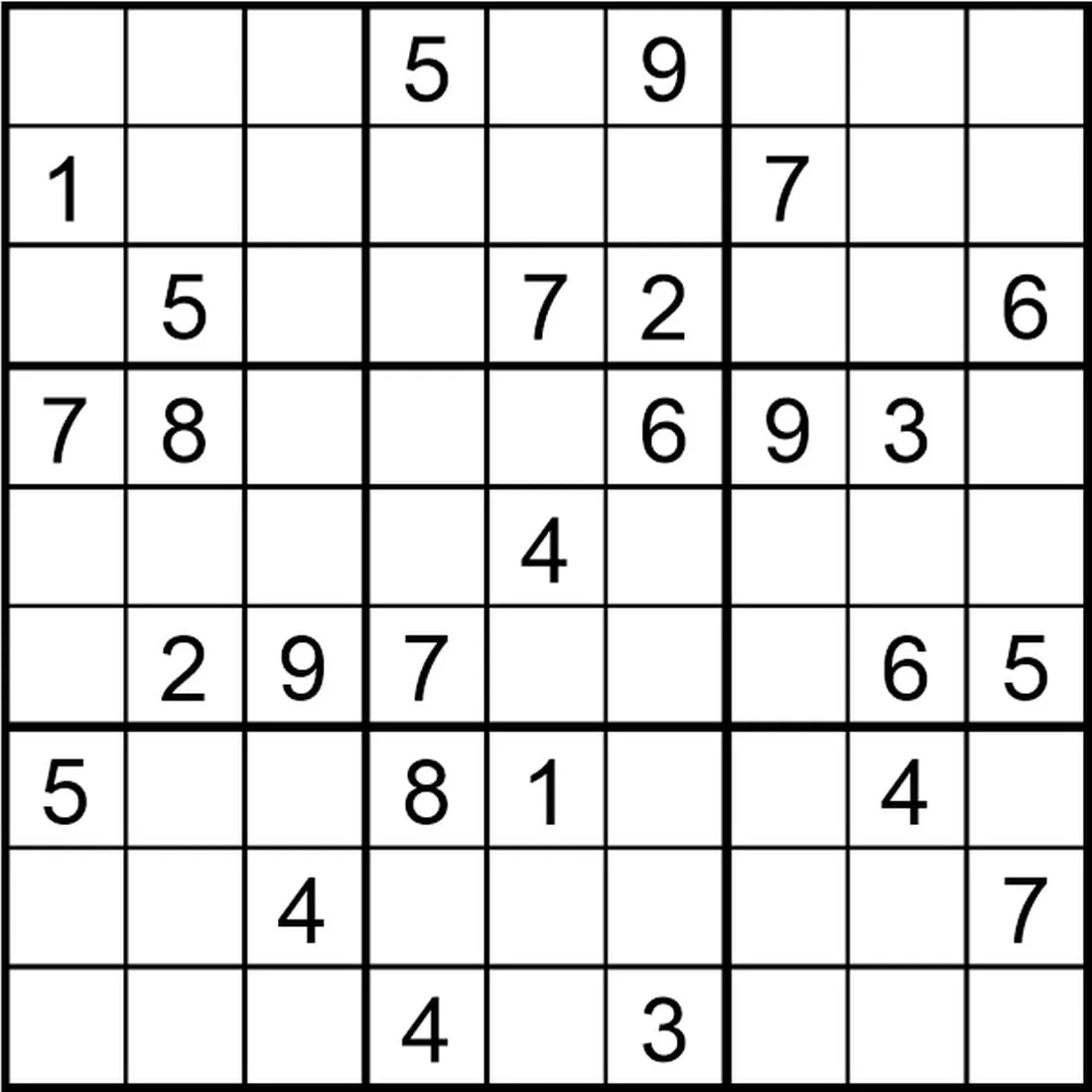
Sudoku, a popular puzzle game, has been captivating puzzle enthusiasts worldwide for decades. Its simplicity and complexity make it an ideal pastime for both casual players and seasoned puzzle solvers. The New York Times, known for its high-quality content, has embraced Sudoku as a feature in its crossword section, offering a daily challenge to its readers. This article explores the intersection of Sudoku and The New York Times, highlighting the benefits of playing Sudoku and the unique experience of solving Sudoku puzzles from The New York Times.
#### The Sudoku Tradition and Its Popularity
Sudoku originated in Japan in the 1970s and quickly gained popularity due to its straightforward rules and engaging gameplay. The name “Sudoku” is derived from the Japanese words “suu” (number) and “doku” (single), which together mean “single number.” The objective of the game is to fill a 9×9 grid with digits so that each column, each row, and each of the nine 3×3 subgrids that compose the grid contain all of the digits from 1 to 9.
#### The New York Times Sudoku: A Daily Challenge
The New York Times offers a Sudoku puzzle every day, catering to players of all skill levels. The puzzles are carefully crafted to provide a balance of challenge and enjoyment. The New York Times Sudoku puzzles are known for their unique difficulty levels, from easy to expert, ensuring that there’s something for everyone.
#### Benefits of Playing Sudoku
Playing Sudoku offers numerous cognitive benefits. It enhances problem-solving skills, improves concentration, and can help keep the mind sharp. Sudoku also encourages logical thinking and can be a great way to relax and unwind after a long day. The New York Times Sudoku puzzles provide a daily dose of mental stimulation, making them an excellent choice for those looking to keep their minds active.
#### How to Solve Sudoku from The New York Times
Solving Sudoku from The New York Times is a straightforward process. Here are some tips to help you get started:
1. **Start with Easy Puzzles**: Begin with the easy puzzles to get a feel for the game and understand the rules.
2. **Use Logic**: Sudoku is a logic-based game. Use logical deduction to fill in the grid.
3. **Look for Patterns**: Pay attention to patterns within rows, columns, and 3×3 subgrids.
4. **Eliminate Possibilities**: Cross out numbers that cannot possibly go in a particular cell.
5. **Stay Patient**: Don’t rush. Take your time to analyze the puzzle and make informed decisions.
#### Frequently Asked Questions (FAQ)
**Q: How do I start playing Sudoku from The New York Times?**
A: Visit the New York Times website and navigate to the crossword section. Look for the Sudoku puzzle and click to start solving.
**Q: Are The New York Times Sudoku puzzles suitable for beginners?**
A: Yes, The New York Times offers puzzles at various difficulty levels, including easy puzzles that are perfect for beginners.
**Q: Can I play Sudoku on my mobile device?**
A: Yes, you can play Sudoku on your mobile device by downloading the New York Times app or accessing the website through a web browser.
**Q: Is there a time limit to solve the Sudoku puzzle?**
A: No, there is no time limit. You can take as much time as you need to solve the puzzle.
**Q: Can I save my progress on the Sudoku puzzle?**
A: Yes, you can save your progress by logging in to your New York Times account. This allows you to return to the puzzle later and continue solving.
**Q: Are there different types of Sudoku puzzles in The New York Times?**
A: Yes, The New York Times offers a variety of Sudoku puzzles, including standard Sudoku, variations with additional constraints, and even puzzles designed by renowned puzzle constructors.
#### Conclusion
Sudoku and The New York Times have created a perfect synergy, offering a daily mental workout for puzzle enthusiasts. Whether you’re a seasoned Sudoku player or just starting out, The New York Times Sudoku puzzles provide a challenging and rewarding experience. Embrace the tradition of Sudoku and enjoy the daily mental stimulation that The New York Times has to offer.