


### Sudoku Guide for Kids
#### Introduction to Sudoku for Kids
Sudoku is a fun and engaging puzzle game that can be enjoyed by children of all ages. It’s a great way to develop logical thinking, problem-solving skills, and concentration. In this guide, we’ll explore the basics of Sudoku and provide tips to help kids get started.
#### What is Sudoku?
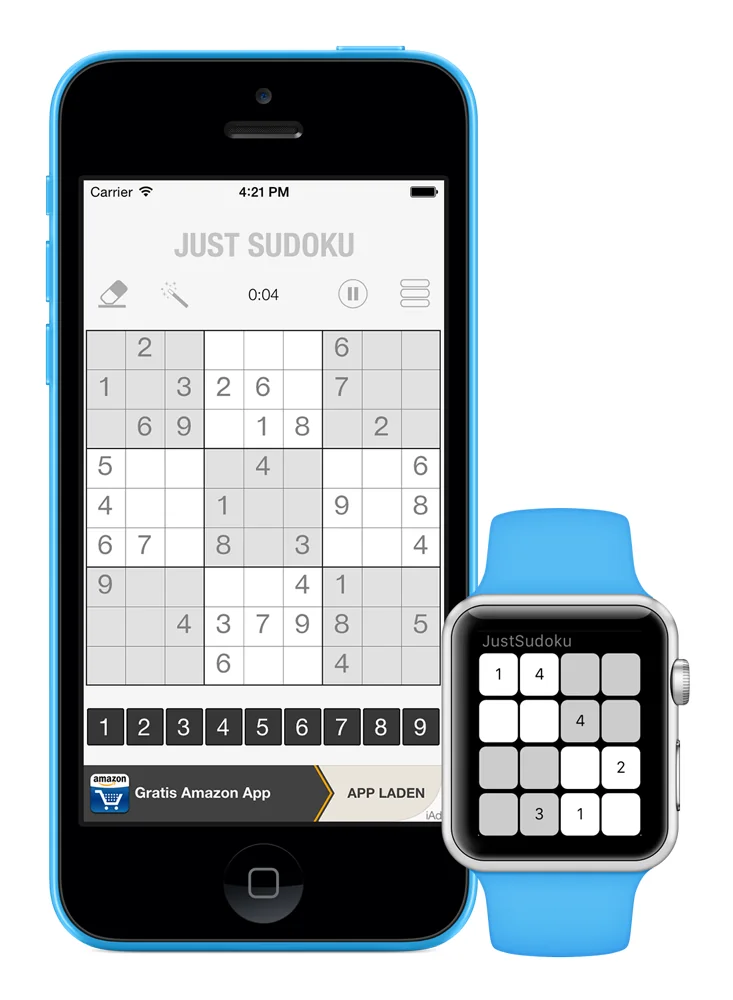
Sudoku is a grid-based puzzle that typically consists of a 9×9 grid divided into nine 3×3 subgrids, known as “boxes” or “blocks.” The objective is to fill the grid with digits so that each column, each row, and each of the nine 3×3 subgrids that compose the grid contain all of the digits from 1 to 9. The puzzle setter provides a partially completed grid, which for a well-posed puzzle has a single solution.
#### How to Start
1. **Understand the Grid**: Begin by familiarizing yourself with the 9×9 grid and the 3×3 subgrids.
2. **Identify Empty Spaces**: Look for cells that are empty and note their positions.
3. **Fill in Known Numbers**: Use the numbers already given in the grid to help you solve the puzzle.
4. **Apply Logic**: Use logical reasoning to deduce the missing numbers.
#### Tips for Kids
– **Start Small**: Begin with easier puzzles that have fewer numbers already filled in.
– **Check for Patterns**: Look for rows, columns, or boxes that already have numbers from 1 to 9.
– **Be Patient**: Sudoku puzzles can be challenging, so it’s important to take your time and not get discouraged.
– **Use Scratch Paper**: Keep a piece of scratch paper handy to jot down potential numbers for each cell.
#### Frequently Asked Questions (FAQ)
**Q: How old should a child be to start playing Sudoku?**
A: There is no specific age limit for playing Sudoku. However, it’s generally recommended for children to start around the age of 7 or 8, as they begin to develop the necessary concentration and logical thinking skills.
**Q: Are there different levels of Sudoku puzzles?**
A: Yes, Sudoku puzzles come in various difficulty levels, from very easy to extremely hard. It’s important for children to start with easier puzzles and gradually progress to more challenging ones as their skills improve.
**Q: Can Sudoku be played on a computer or smartphone?**
A: Absolutely! There are many online Sudoku platforms and mobile apps available that provide a wide range of puzzles for different skill levels. These can be great tools for children to practice and improve their Sudoku skills.
**Q: Is it necessary to use a pencil or pen when solving Sudoku puzzles?**
A: While it’s not necessary, using a pencil or pen can be helpful, especially for younger children. It allows them to make notes and easily erase mistakes without damaging the puzzle.
**Q: Can Sudoku be used as an educational tool for children?**
A: Yes, Sudoku can be an excellent educational tool. It helps children develop critical thinking, concentration, and patience. Additionally, it can improve their mathematical skills and attention to detail.
By following this guide and practicing regularly, children can develop a love for Sudoku and enjoy the challenges it presents. Happy solving!