


### Introduction to Checking Valid Sudoku Solutions in Python
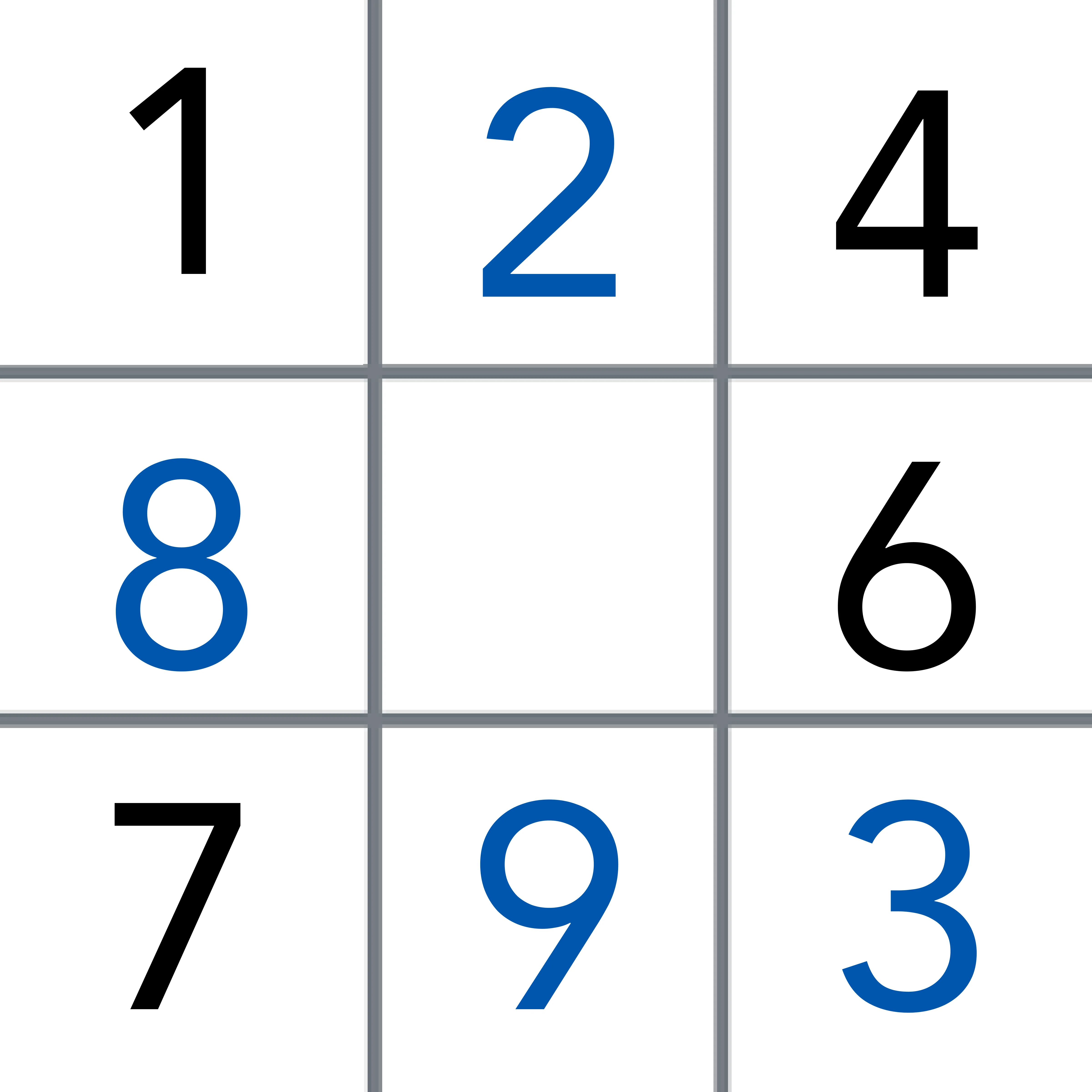
Sudoku is a popular puzzle game that requires logical deduction to fill a 9×9 grid with digits so that each column, each row, and each of the nine 3×3 subgrids that compose the grid contain all of the digits from 1 to 9. Checking if a given Sudoku solution is valid is an essential part of creating Sudoku-solving algorithms or tools. In this article, we will explore how to implement a Python function to validate Sudoku solutions.
### Implementation
To check if a Sudoku board is valid, we need to ensure that each row, column, and 3×3 subgrid contains all the digits from 1 to 9 without repetition. Here’s a Python function that performs this check:
“`python
def is_valid_sudoku(board):
# Check rows
for i in range(9):
if not is_valid_group(board[i]):
return False
# Check columns
for j in range(9):
if not is_valid_group([board[i][j] for i in range(9)]):
return False
# Check 3×3 subgrids
for i in range(0, 9, 3):
for j in range(0, 9, 3):
if not is_valid_group([board[x][y] for x in range(i, i + 3) for y in range(j, j + 3)]):
return False
return True
def is_valid_group(group):
# Remove empty strings and check if there are duplicates
unique_elements = set(group)
return len(unique_elements) == len(group) and ” not in unique_elements
“`
### Frequently Asked Questions (FAQ)
**Q1: What does the `is_valid_sudoku` function do?**
A1: The `is_valid_sudoku` function takes a Sudoku board as input, represented as a list of lists, and checks if the board is a valid Sudoku solution by verifying rows, columns, and 3×3 subgrids.
**Q2: How does the function handle empty cells in the Sudoku board?**
A2: Empty cells are represented by an empty string `”` in the Sudoku board. The function treats these cells as valid and only checks for the presence of duplicate numbers.
**Q3: Can the function be used to check the validity of any board, not just solved ones?**
A3: Yes, the function can be used to check the validity of any board. It does not matter if the board is partially filled or fully solved; the function will validate it as long as it meets the Sudoku rules.
**Q4: How does the function identify 3×3 subgrids?**
A4: The function divides the 9×9 grid into nine 3×3 subgrids by iterating through the board with steps of 3 in both the row and column dimensions.
**Q5: What is the purpose of the `is_valid_group` helper function?**
A5: The `is_valid_group` function checks if a group (row, column, or subgrid) contains all the digits from 1 to 9 without any duplicates. It uses a set to filter out duplicates and then compares the length of the set with the length of the group to ensure they are equal.
**Q6: Can the function handle Sudoku boards of different sizes?**
A6: The current implementation is designed for standard 9×9 Sudoku boards. If you need to handle different sizes, you would need to modify the function to accommodate the variations in grid size and the number of subgrids.