


### Jigsaw Sudoku Algorithm: A Comprehensive Guide
#### Introduction
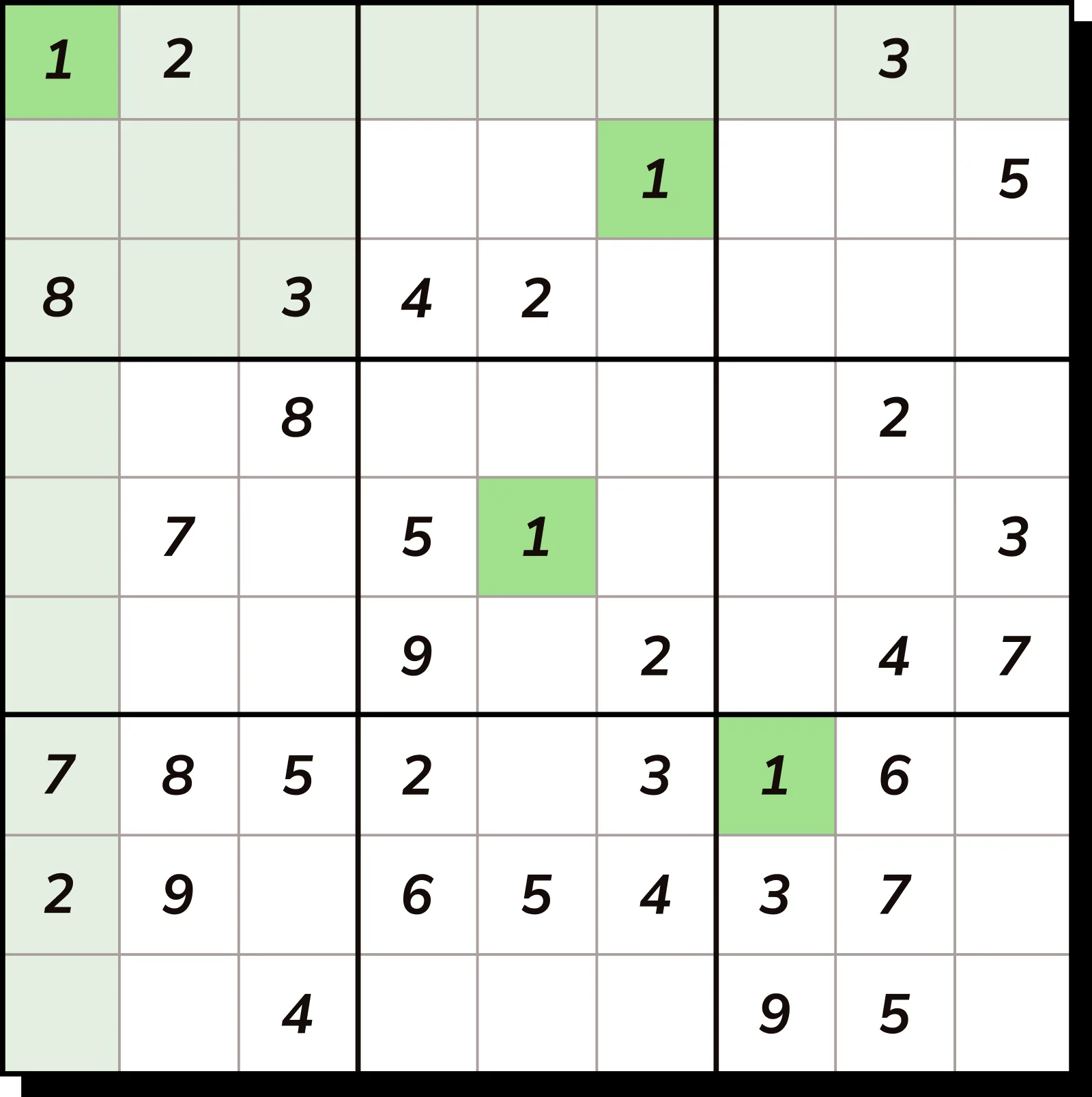
Jigsaw Sudoku is a popular puzzle game that combines the logic of traditional Sudoku with the challenge of a jigsaw puzzle. The objective is to fill a grid with numbers so that each row, column, and region contains all of the digits from 1 to 9, without repetition. The twist? Each region is shaped like a jigsaw piece, adding an extra layer of complexity to the game.
#### Understanding the Jigsaw Sudoku Algorithm
1. **Grid Structure**: A Jigsaw Sudoku grid typically consists of 9 regions, each with a unique shape. The regions are arranged in a 3×3 grid, with each region being a distinct shape.
2. **Region Filling**: Similar to traditional Sudoku, the regions must contain all the digits from 1 to 9. However, the jigsaw shape of the regions adds an extra challenge.
3. **Row and Column Validation**: In addition to the regions, each row and column must also contain all the digits from 1 to 9, just like in traditional Sudoku.
4. **Algorithm Steps**:
– **Initial Setup**: Start with a partially filled grid. The grid should have enough clues to make the puzzle solvable.
– **Region Validation**: Check each region to ensure it contains all the digits from 1 to 9.
– **Row and Column Validation**: Check each row and column to ensure they contain all the digits from 1 to 9.
– **Clue Placement**: Place clues in the grid based on the available information.
– **Backtracking**: If a conflict arises, use backtracking to try different numbers in the empty cells until a valid solution is found.
#### Key Components of the Jigsaw Sudoku Algorithm
1. **Region Identification**: The first step is to identify the unique shapes of the regions in the grid.
2. **Clue Placement**: The placement of clues is crucial. It should be done in a way that provides enough information to solve the puzzle while still challenging the player.
3. **Constraint Propagation**: This technique involves using the known values in the grid to deduce new values in other cells, making the puzzle easier to solve.
4. **Backtracking**: This is a critical part of the algorithm. When a conflict arises, the algorithm must backtrack to previous steps and try different numbers until a valid solution is found.
#### Common Challenges and Solutions
1. **Challenge**: Difficulty in identifying the unique shapes of the regions.
– **Solution**: Practice with different Jigsaw Sudoku puzzles to become more familiar with the various shapes.
2. **Challenge**: Finding a valid solution when the clues are scarce.
– **Solution**: Use constraint propagation and backtracking to deduce additional values in the grid.
3. **Challenge**: Conflicts arising from the placement of clues.
– **Solution**: Double-check the placement of clues and ensure they do not lead to contradictions.
#### Frequently Asked Questions (FAQ)
**Q1: What is the difference between Jigsaw Sudoku and traditional Sudoku?**
A1: Jigsaw Sudoku adds complexity by using unique shapes for each region, making it more challenging than traditional Sudoku.
**Q2: Can I use the same techniques to solve Jigsaw Sudoku as I would for traditional Sudoku?**
A2: While some techniques are similar, Jigsaw Sudoku requires additional strategies to account for the unique shapes of the regions.
**Q3: How do I identify the unique shapes of the regions in a Jigsaw Sudoku puzzle?**
A3: Look for the distinct shapes within the 3×3 grid. Practice with different puzzles to become more familiar with the shapes.
**Q4: What is the most effective way to solve a Jigsaw Sudoku puzzle?**
A4: Start by filling in the regions that are most likely to have all the digits. Then, use constraint propagation and backtracking to deduce additional values in the grid.
**Q5: Can I use a computer program to solve Jigsaw Sudoku puzzles?**
A5: Yes, there are various computer programs and online solvers available that can solve Jigsaw Sudoku puzzles. However, solving the puzzles manually can be a fun and rewarding experience.